The Shift in Responsibility
In our family, getting a driver's license isn't just a rite of passage, it's a major lesson in accountability. We currently have four teenagers at different stages: one who's been driving for a year and a half, two with permits, and one right behind them. While the kids see freedom, we see a conversation about consequences and costs.
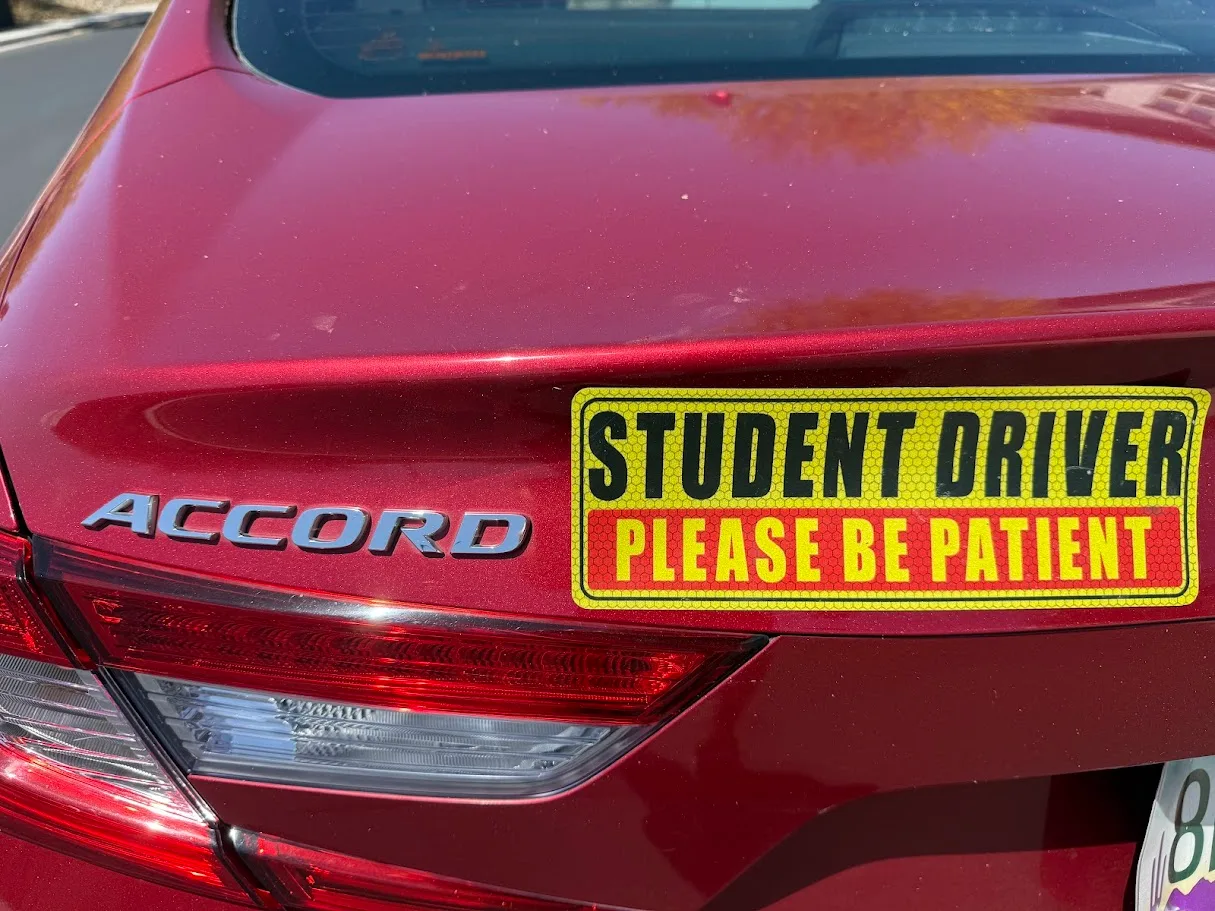
Many people think it's as easy as passing a test and hitting the road. But parenting teen drivers involves setting clear boundaries before the keys ever change hands. We treat it as a tiered process: the basics are taught by Tamekia, and advanced road-work is handled by Patrick. This ensures they are truly ready for the road before they ever head out on their own.
There's more involved, more money, more people impacted, more everything. This is one of the first times they're really starting to understand that.
Why "Skin in the Game" Matters
One of our core philosophies is that our children must be financially invested in their driving. When a teen moves from a permit to a license, car insurance costs spike immediately. To teach the value of this privilege, we require our drivers to contribute. For example, our licensed son currently pays one-third of his insurance cost.
This requirement leads directly into the discussion about employment. We believe that to have skin in the game, you need a paycheck. While every family's financial structure is different, we've found that when they pay for part of the insurance or the car, they respect the vehicle and the responsibility much more.
Finding the Right First Job
We're currently helping our teens navigate the job hunt. We're happy that two of them are already showing entrepreneurial spirits, but we also believe there is a unique education that comes from working for someone else first. Whether it's fast food or retail, a first job teaches the process of business.
As we tell our kids, when you are broke, you need to not be picky. Any job can teach the foundational skills needed for later in life:
- Following systems: Learning how to follow a standard operating procedure.
- Customer service: Managing expectations and handling difficult people.
- Time management: Showing up and performing, even when the job isn't exciting.
- Work ethic: Understanding that a paycheck is earned, not given.
The Short Leash Strategy
Finally, we don't believe a license equals unlimited freedom. We use a "short leash" policy. Initially, they can drive to and from work, and to and from school. That's it. We are very restrictive until they show they are comfortable with the basics. These slow baby steps build actual experience and make us feel they are much safer on the road.
Hear more about our real-world parenting strategies on the full episode of the Rollin' With The Dolans podcast. Don't forget to like, subscribe, and share your thoughts in the comments.